What is a forest? This is actually not such a simple question. We probably all have some similar idea; tall, woody plants with dense cover that cover some substantial amount of area. Shrubs are not forest, nor is a single tree in a grassland. many commonly used definitions of forest use some minimum height (at maturity) of 4 or 5 meters. This means that Svalbard ecosystems, even if they are densely covered in woody shrubs, can not be called forests.
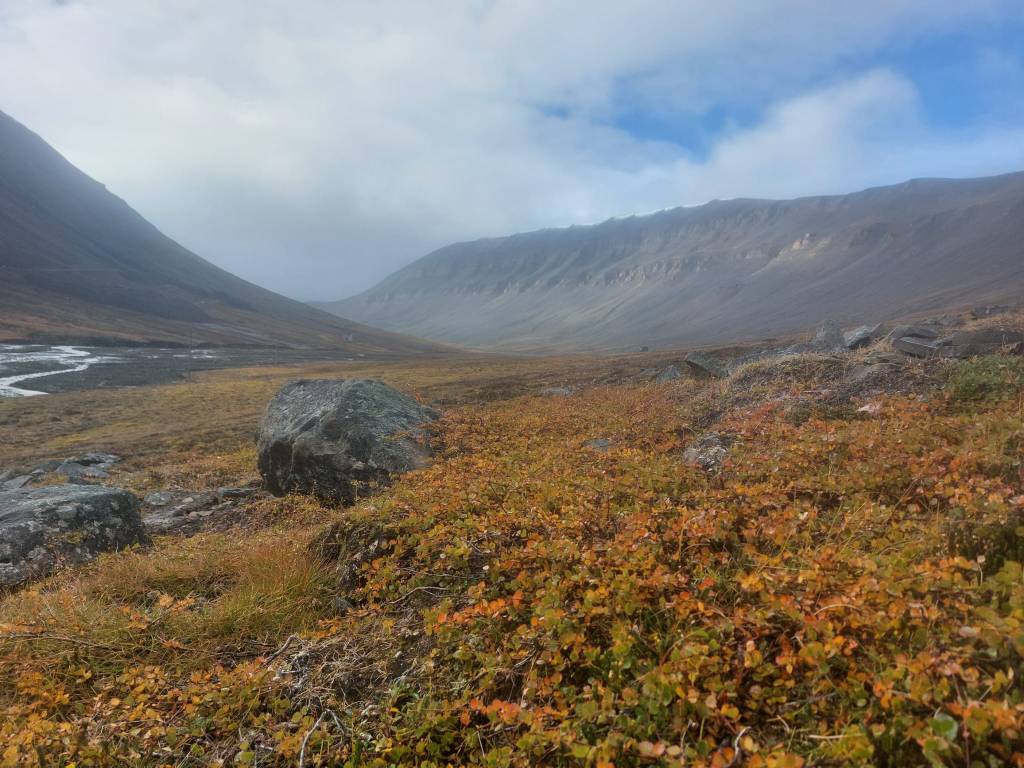
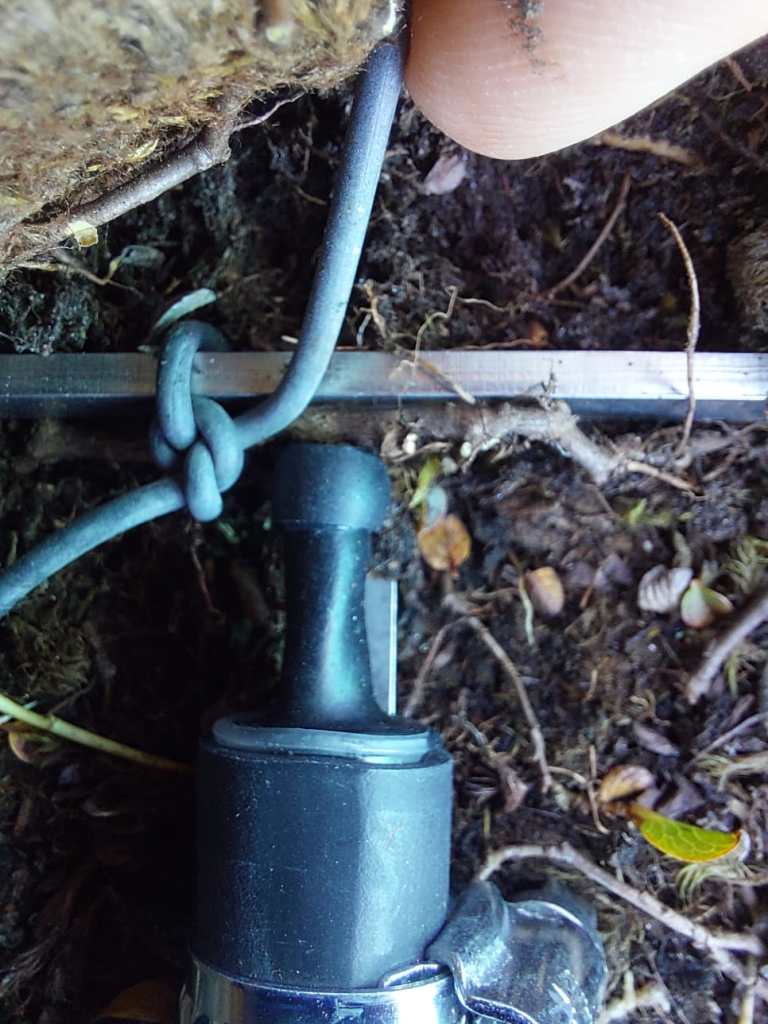
But we sometimes just call them forests anyway. Or woods. Just for fun. And because we do things that forest researchers also do; we sample our ‘trees’ for tree ring analysis, install ‘dendrometers’ on the stems to track their diurnal dynamics and seasonal growth, and monitor their changes in a warming climate. They’re our beloved little woods.
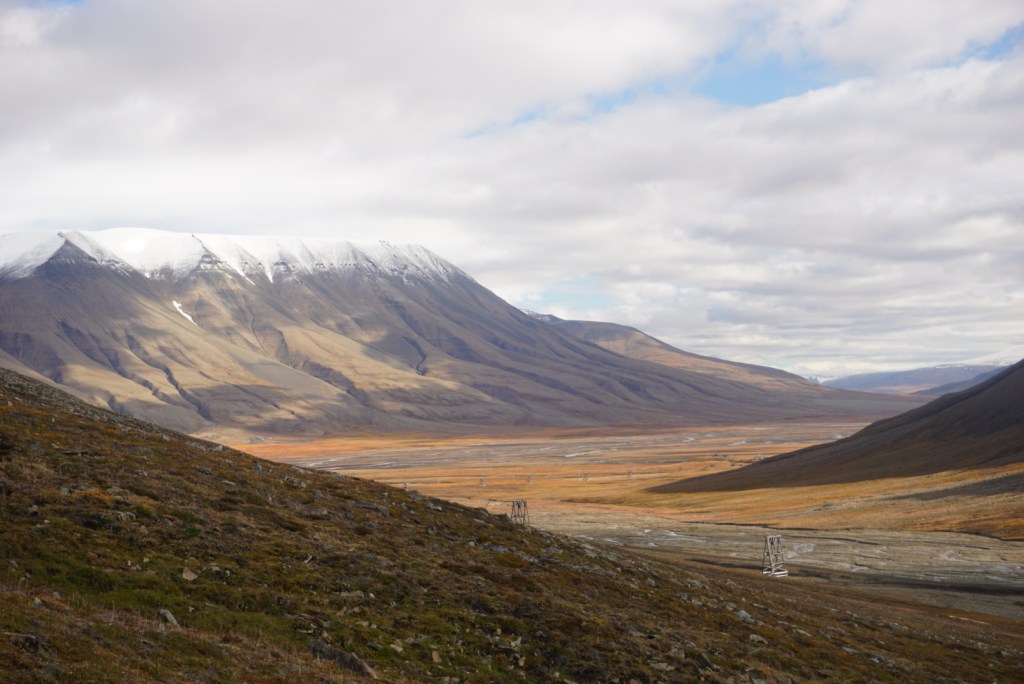
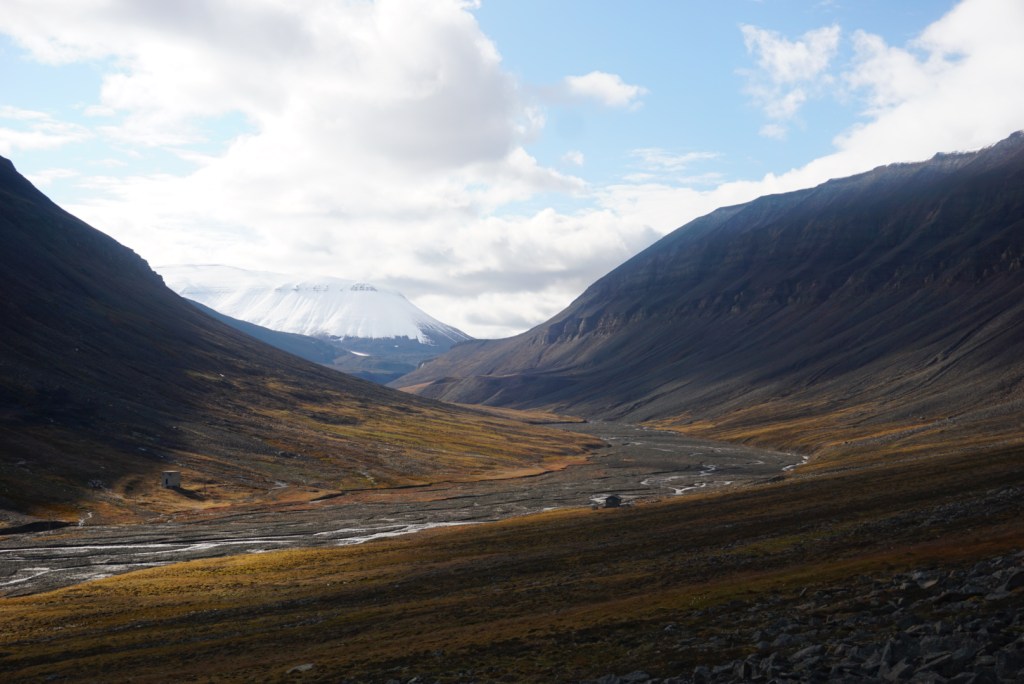
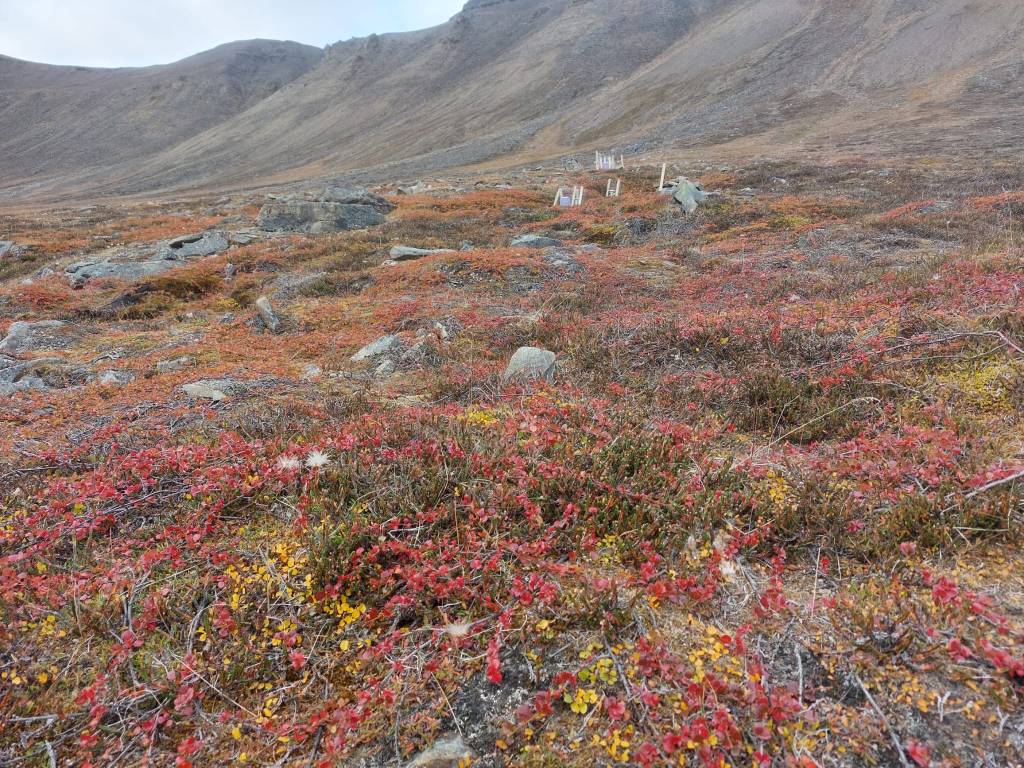
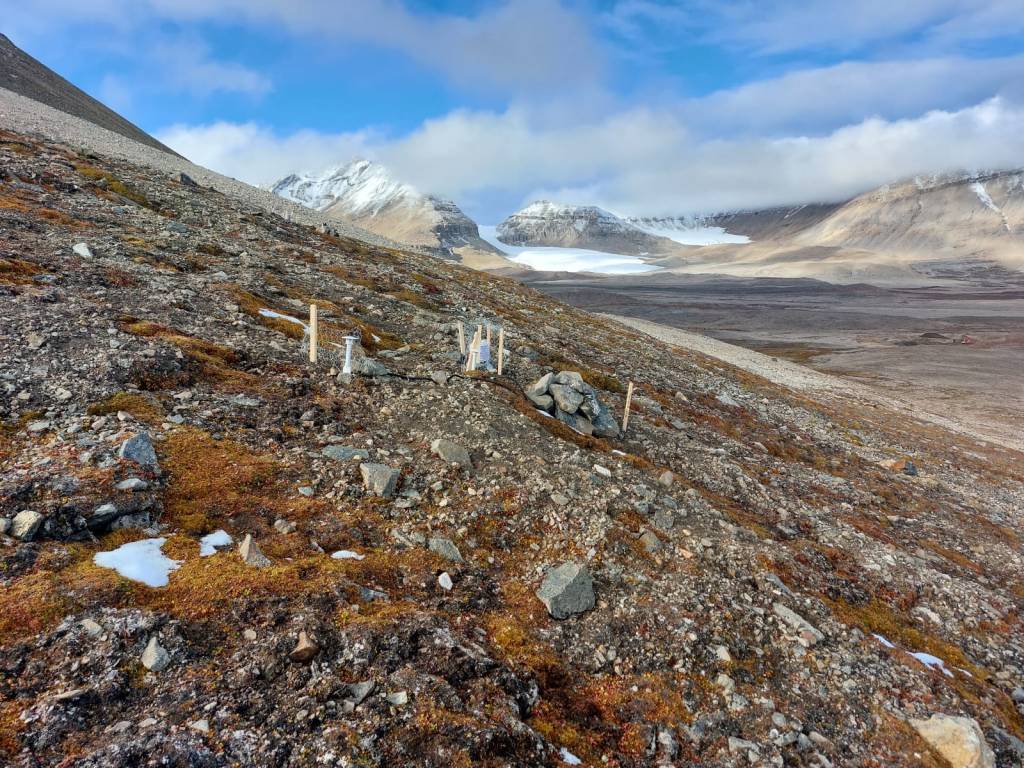
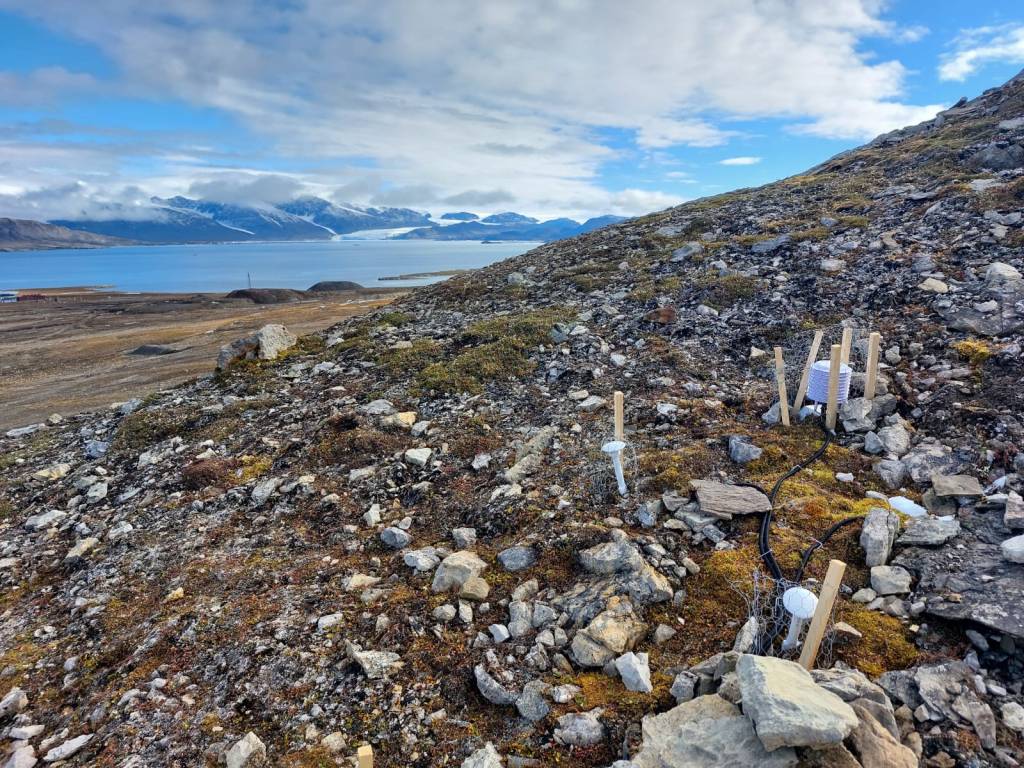
The valley Endalen has a large stretch of south-facing slope in a relatively warm and sheltered area, where polar shrubs grow relatively ‘forest like’ (for the High Arctic).


Leave a Reply