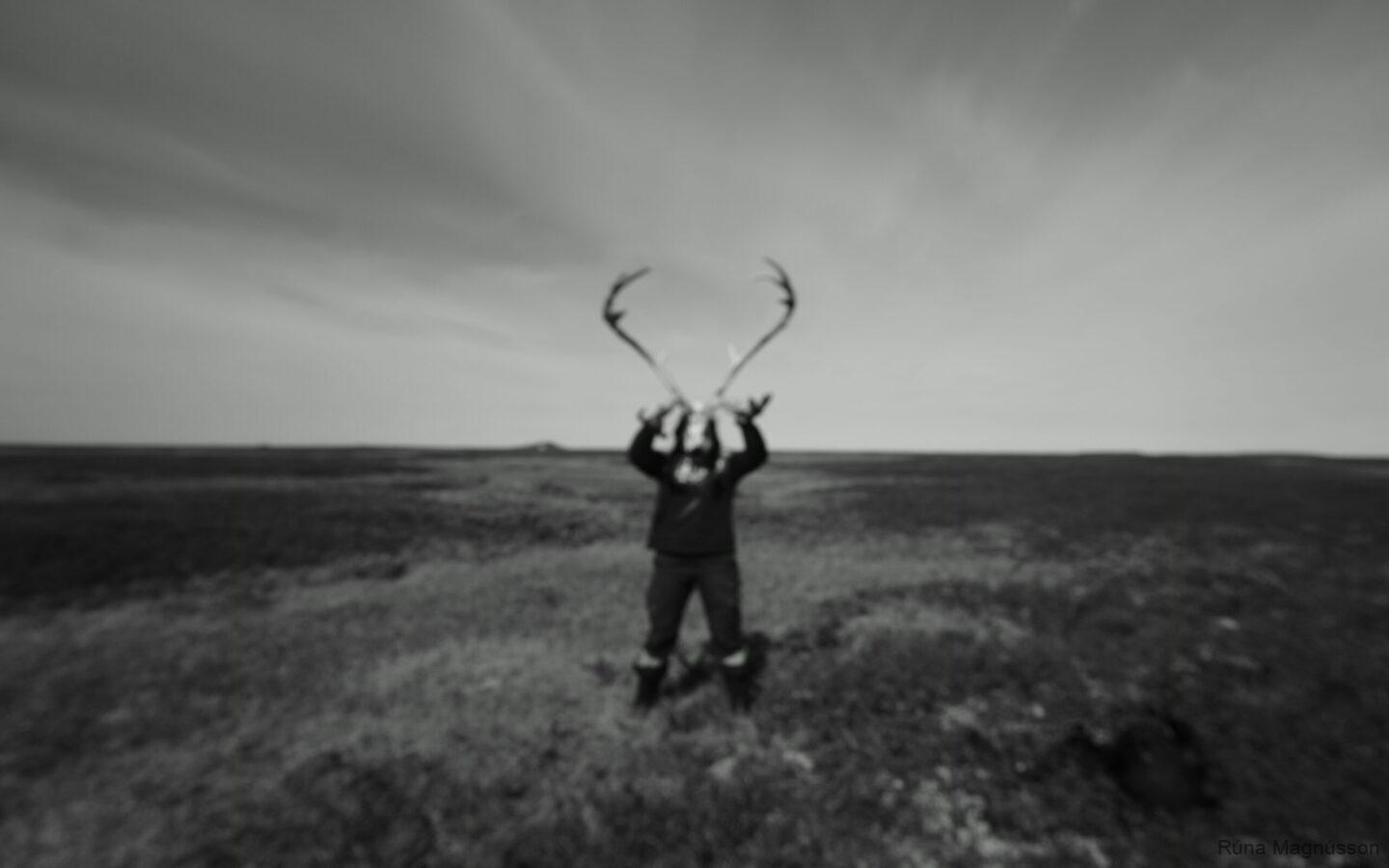
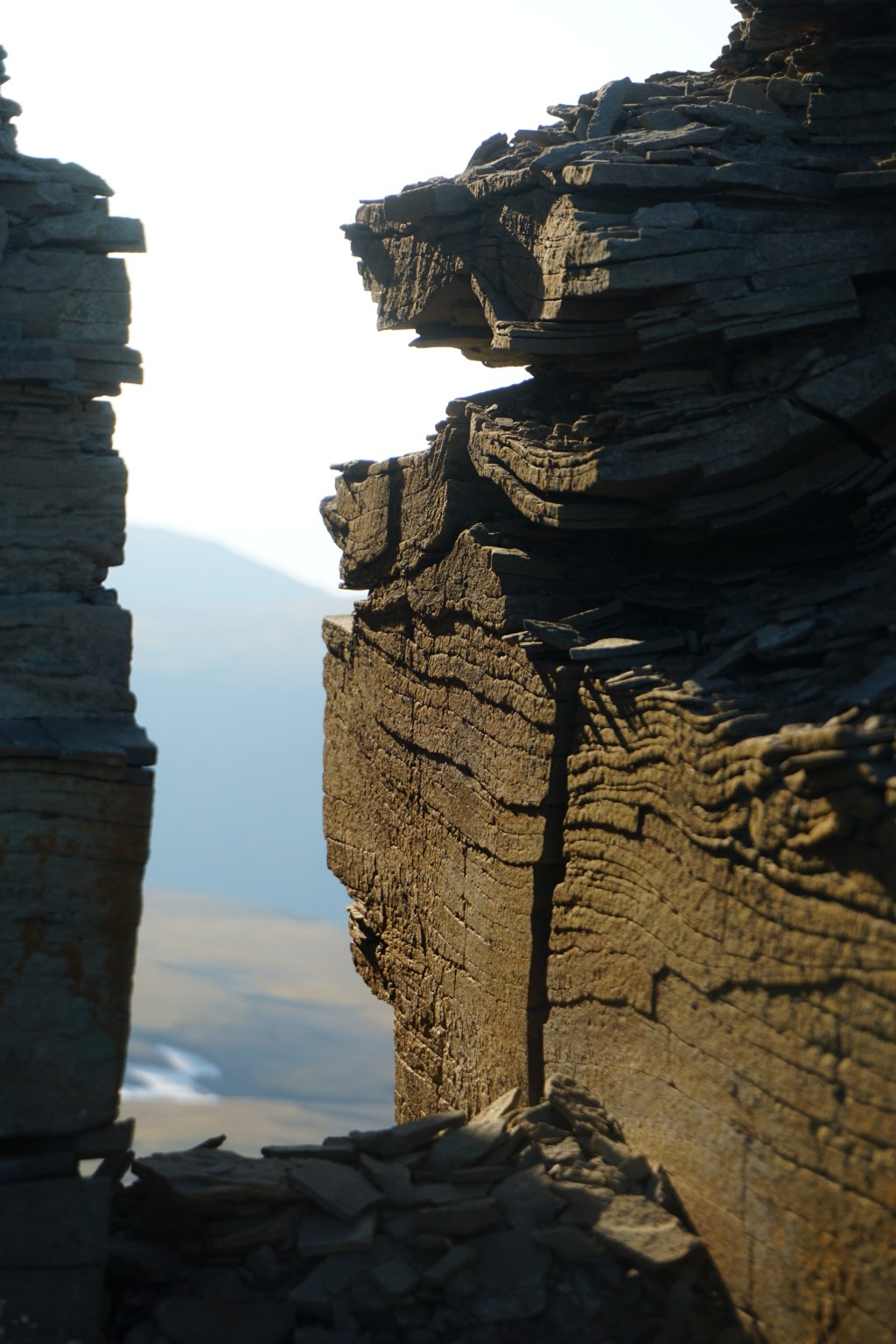
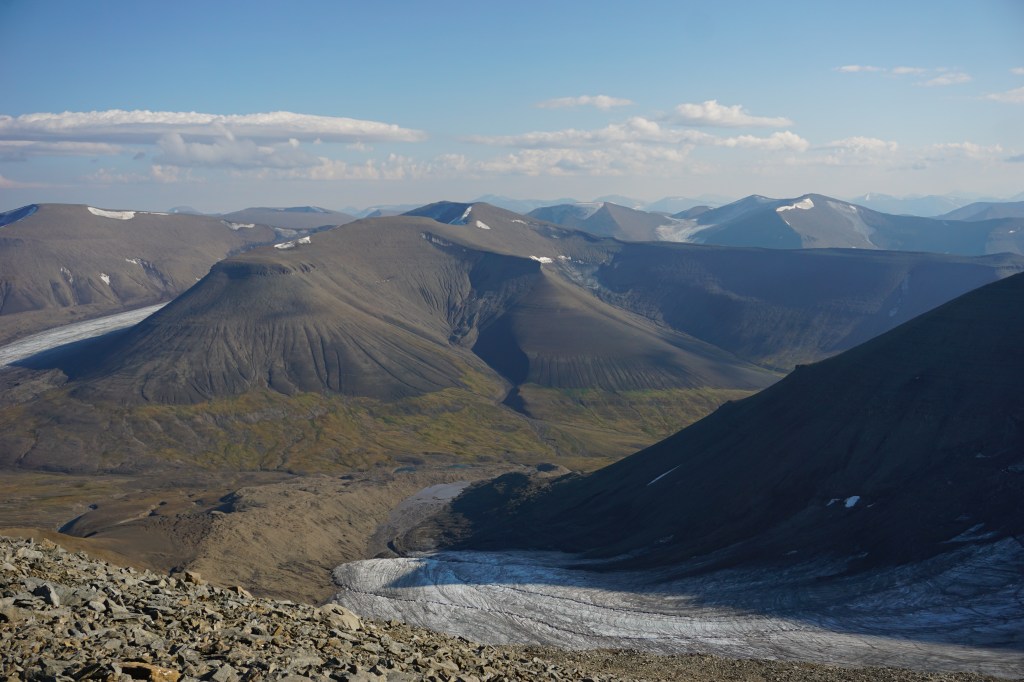
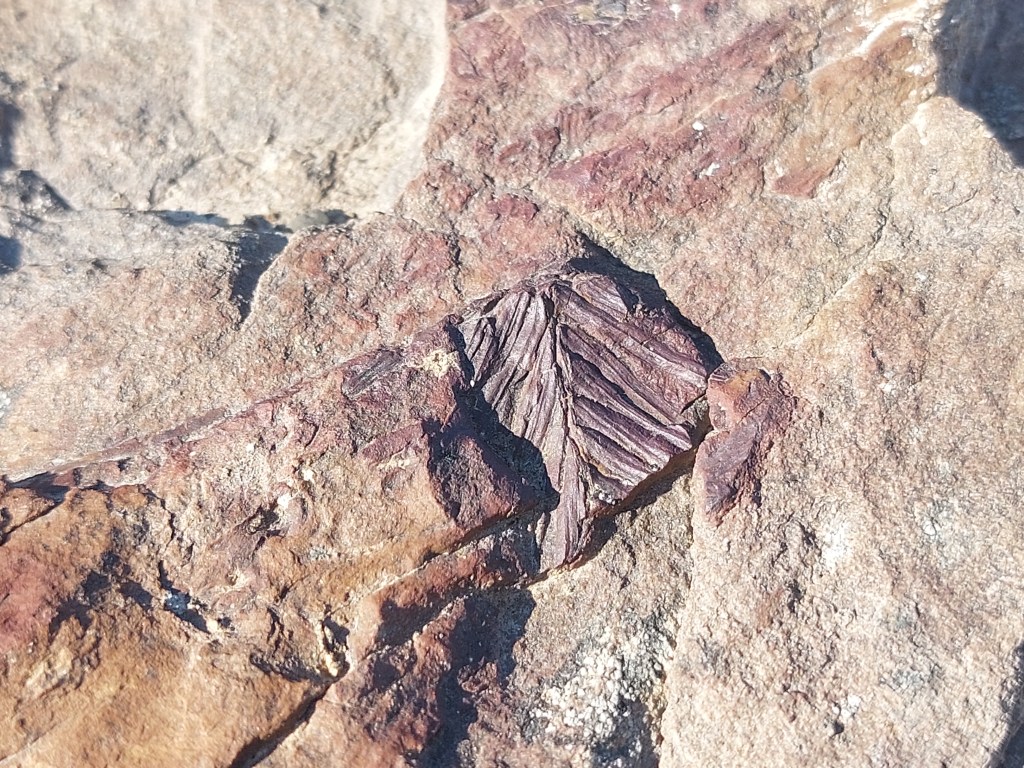
A hike to Nordenskiöldtoppen and a bit further to Teltberget and Dryadebreen. We did not make it as far as we had hoped to, but that was mostly because we found so many beautiful fossils along the way. It was a warm day in August with nice UNIS colleagues.
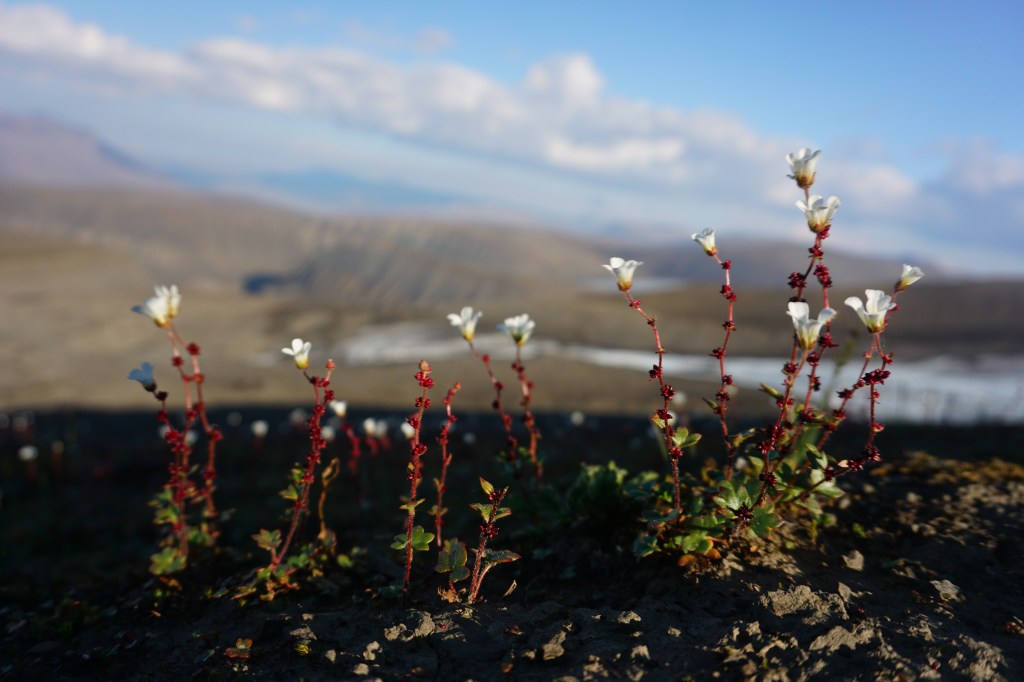
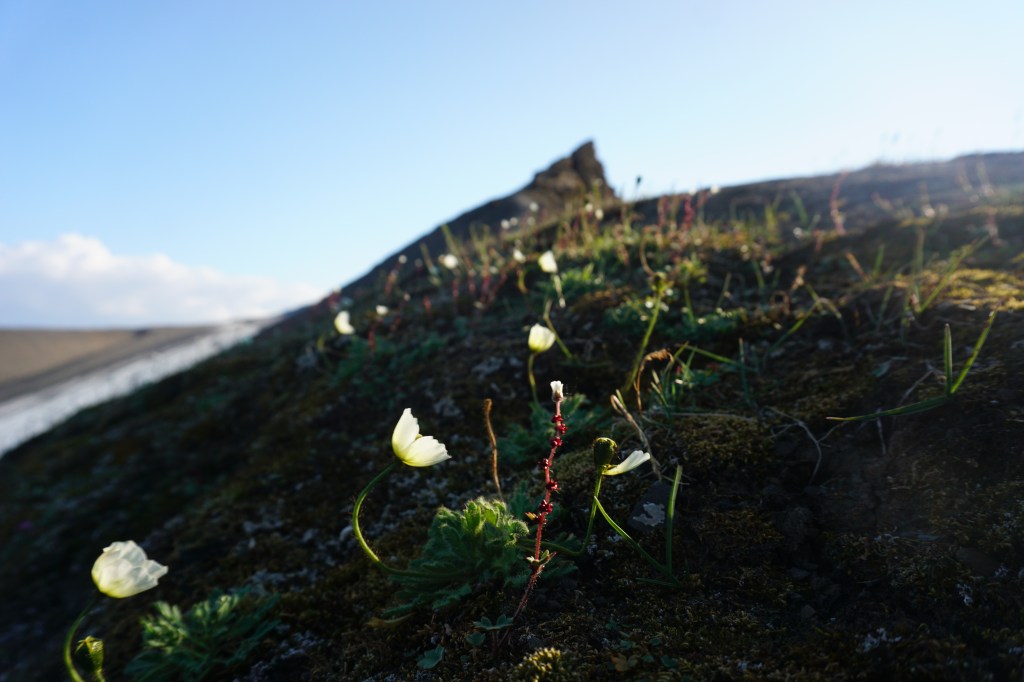
Life seems dominated by stone and dynamics of slopes, soils, water and ice up there. But hiding between the cracks are tiny, tough polar plants, and fossils of the beech and redwood trees that dominated this patch of Earth during the Eocene, tens of millions of years ago.
How would Svalbard have looked then, when it was not yet Svalbard? And how will it look in the future? Will it still be a world of stone?






 Rúna Magnússon
Leave a comment