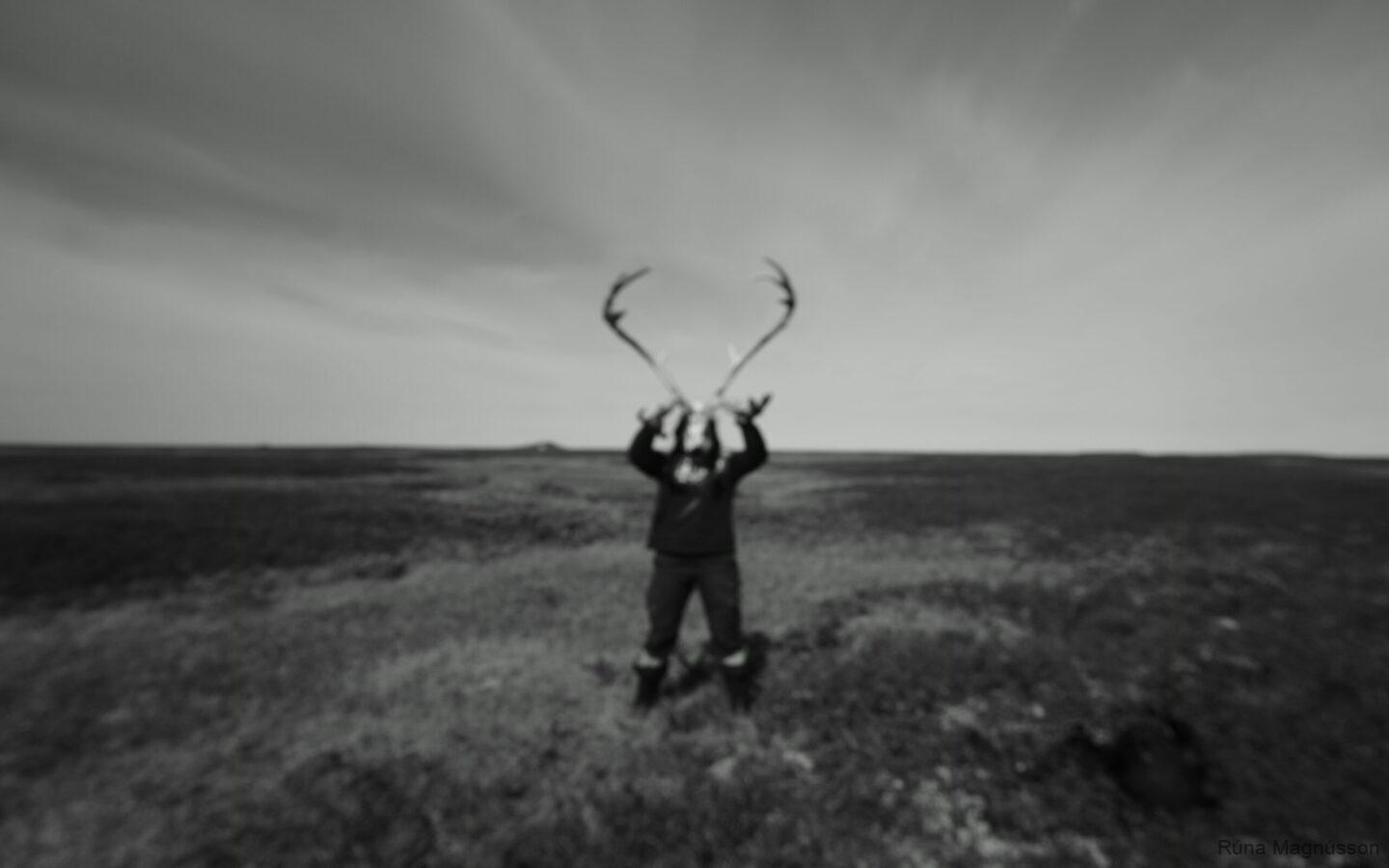
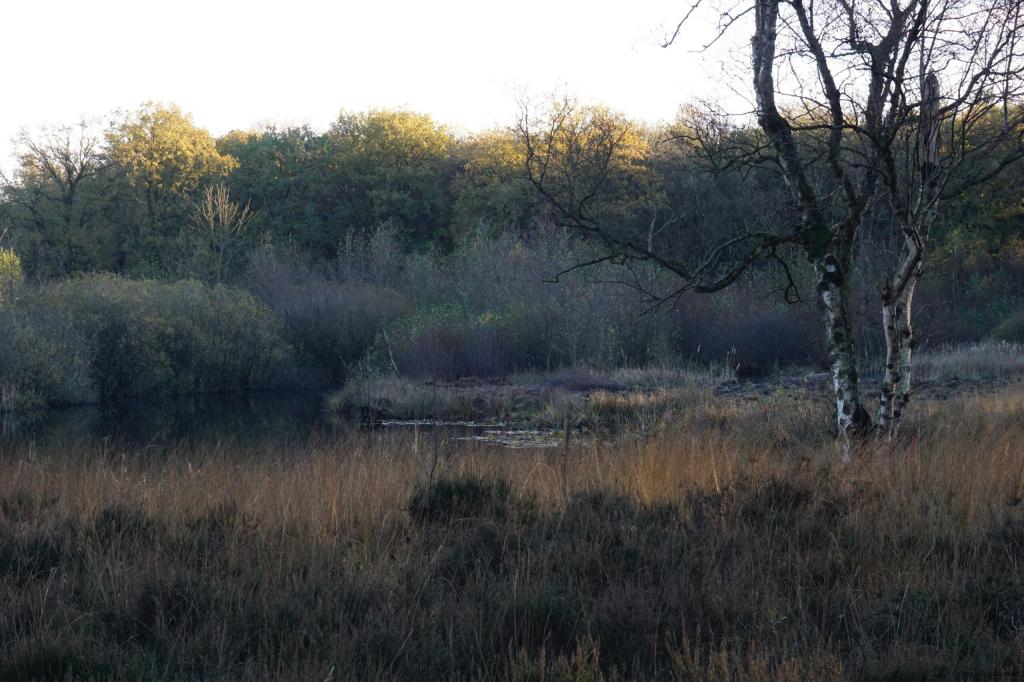
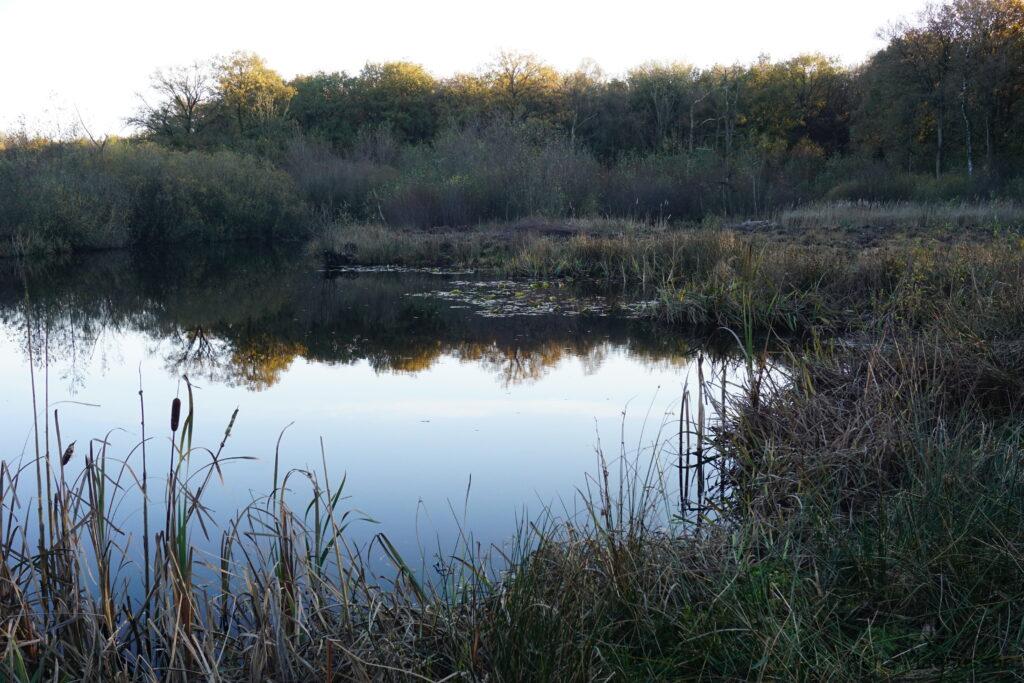
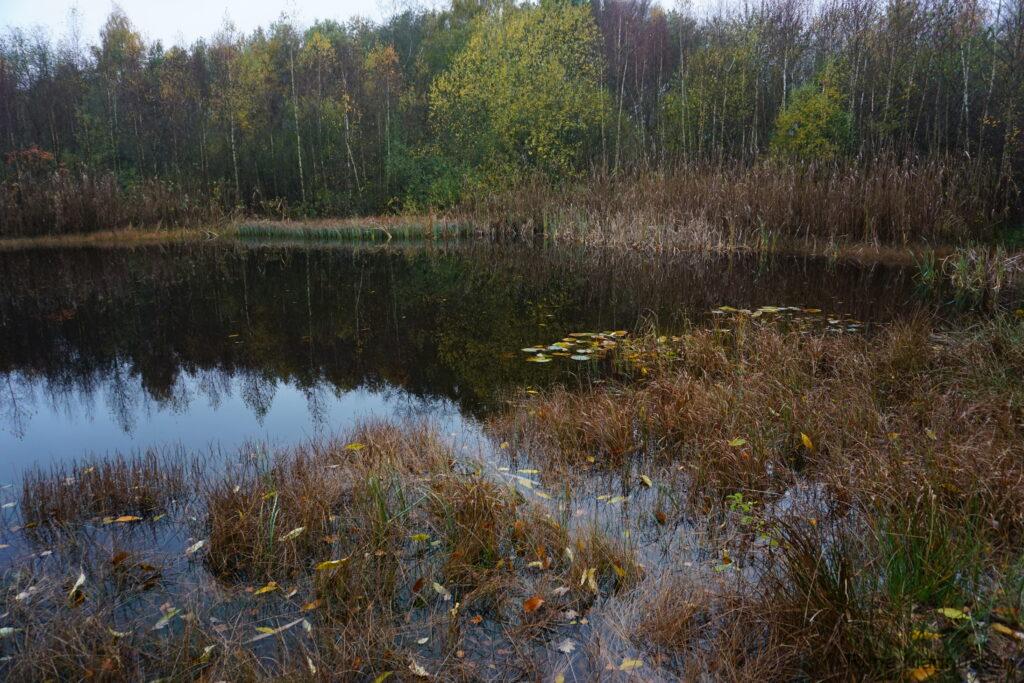
Throughout the Netherlands there are traces in the landscape of former ice ages and times when the Netherlands was a tundra. I find this extremely fascinating: over larger timescales, “the Arctic” is a flexible concept, and as much a matter of “when” as of “where”. Are the silent witnesses of past Arctic conditions in the Netherlands actually a vision of the future of much of the current Arctic?
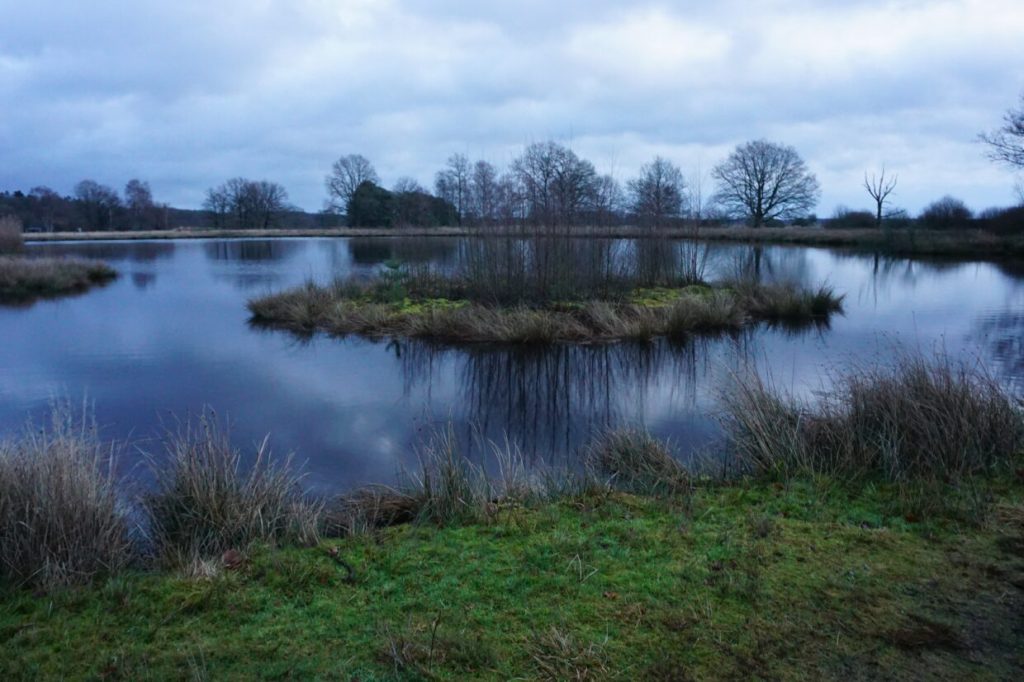
One of these traces are pingo scars. Pingo’s are small hills formed by accumulation of water in the soil, which freezes into an ice lens and expands. As the climate warms, these ice lenses melt and instead of a hill, a small depression is left. These depressions typically fill up with peat. The plant remnants left in layers of peat can serve as climate records.




 Rúna Magnússon
Leave a reply to Relic Species – Rúna Magnússon Cancel reply